Whale Shark Season In Vietnam: When & Where To See Them ?
| ReviewThe whale shark season in Vietnam is one of the best-kept secrets for marine wildlife enthusiasts. Vietnam rarely appears on lists of the world’s top whale shark destinations. While places like Donsol in the Philippines and Ningaloo Reef in Australia are widely known, Van Phong Bay has quietly welcomed wild whale sharks for decades. Whale Island Resort is located in the heart of the bay, just a short boat ride from areas where whale sharks are frequently sighted. This guide will help you discover the best time to visit, where to spot them, and how to plan your whale shark experience in Vietnam.
Are there Whale Sharks in Vietnam?
Yes, whale sharks can be found in Vietnam, and all sightings occur naturally in the wild. Unlike Oslob in the Philippines, where whale sharks are attracted through artificial feeding, whale sharks in Van Phong Bay follow their natural migration and feeding patterns. They visit the area when jellyfish, krill, and other plankton-rich food sources become abundant in the calm waters of the bay.
The whale shark (Rhincodon typus) is the largest fish species in the world, reaching lengths of up to 12 meters. Despite their enormous size, they feed only on plankton and small marine organisms near the surface. Gentle and harmless to humans, whale sharks are known for their slow, graceful movements in the water.
Vietnam has never developed commercial whale shark tourism. As a result, visitor numbers remain significantly lower than at many famous whale shark destinations. The experience here remains remarkably natural and uncrowded, with no feeding boats, no crowded snorkeling groups, and no mass tourism activities.
When Is Whale Shark Season in Vietnam?
Whale Shark Season in Van Phong Bay: February to May
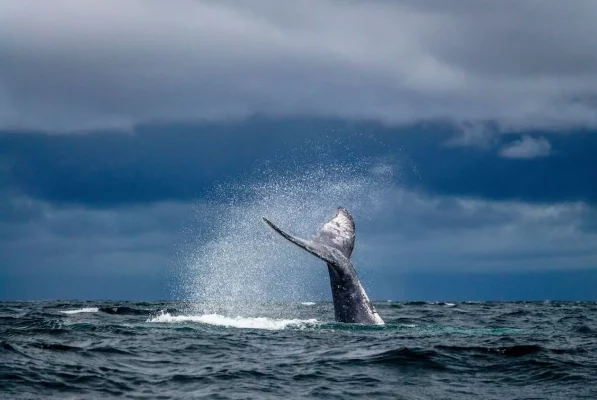
Based on local observations and recurring sightings, whale shark season in Vietnam generally takes place from February through May in Van Phong Bay. During this period, jellyfish and krill populations increase in the warm waters surrounding the bay’s 28 islands, attracting whale sharks to feed near the surface.
The peak period is usually from March through late April. Water temperatures range between 26°C and 29°C, underwater visibility is often at its best, and sea conditions are generally calm due to the mild Northeast Monsoon.
In some years, favorable conditions may allow whale sharks to remain in the area until early June, although sightings typically become less frequent as food sources disperse.
How Vietnam Compares with Other Whale Shark Destinations
Vietnam’s whale shark season overlaps with the peak seasons of several of the world’s most famous whale shark destinations:
| Destination | Peak Season | Experience Type |
|---|---|---|
| Donsol, Philippines | November – May | Natural encounters, snorkeling only |
| Ningaloo Reef, Australia | March – October | Natural encounters with guided snorkeling |
| Oslob, Philippines | Year-round | Artificial feeding activities |
| South Ari Atoll, Maldives | Year-round | Natural encounters, snorkeling and diving |
| Van Phong Bay, Vietnam | February – May | Observation from a natural environment |
Because the season coincides with favorable weather conditions, whale shark season in Vietnam has growing appeal among both domestic and international travelers. However, whale sharks in Nha Trang and Van Phong Bay are currently protected under responsible ecotourism and conservation initiatives. For this reason, Vietnam does not operate dedicated commercial whale shark tours.
Where Can You See Whale Sharks in Vietnam?
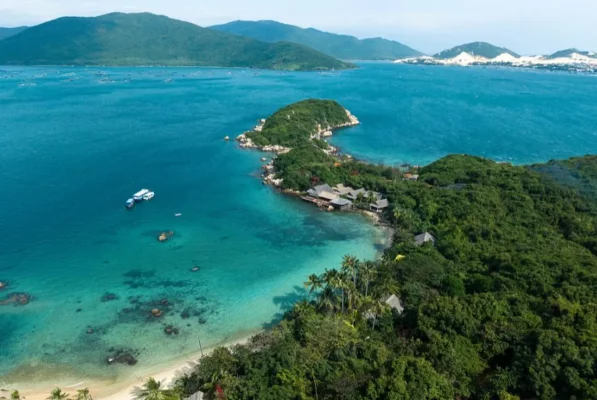
The most well-known location for whale shark sightings in Vietnam is Van Phong Bay, located in Van Ninh District, Khanh Hoa Province, approximately 100 kilometers north of Nha Trang. Covering nearly 41,000 hectares, the bay has an average depth of 20–30 meters and is sheltered by numerous islands that help keep the waters calm during the dry season.
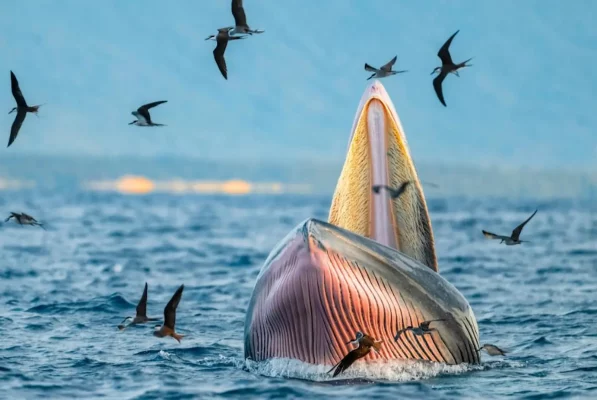
Whale sharks are often spotted in channels between islands where currents concentrate plankton and other natural food sources.
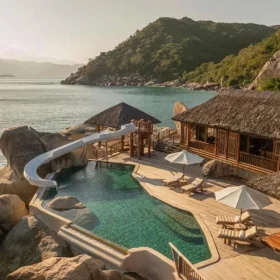
Whale Island Resort is the only island resort located within Van Phong Bay, situated on Hon Ong Island. The island’s name is no coincidence. For generations, local fishermen have associated these waters with whale sharks and other large marine species. In Vietnamese culture, whales are respectfully referred to as “Ca Ong” (“Sir Whale”), and the island’s name reflects this long-standing connection.
From Nha Trang, visitors can reach the island with approximately 90 minutes by car followed by a 15-minute boat transfer. Since there are currently no dedicated whale shark tours operating from Nha Trang, staying on the island offers one of the most convenient ways to maximize your chances of encountering these remarkable animals.
Planning Your Whale Shark Season Experience at Whale Island Resort
When Should You Book?
The whale shark season from February to May also coincides with one of the most beautiful times of the year in Khanh Hoa Province. If you plan to visit during March or April, it is advisable to reserve your accommodation at least two to three weeks in advance. The resort offers only 31 beachfront bungalows, and availability can become limited during peak periods.
What Should You Expect?
Whale shark encounters are wildlife experiences and therefore can never be guaranteed. Sightings depend entirely on sea conditions, food availability, and the animals’ natural movements.
During favorable years, multiple sightings may be recorded each week. In more typical seasons, whale sharks may be seen once or twice per week.
When whale sharks are spotted, boats or catamarans provide the most common way to observe them from a respectful distance. Because whale sharks hold cultural significance for local communities, visitors should never feed them or throw objects into the water. If observing from the water, touching whale sharks is strictly prohibited. Since they often feed near the surface, maintaining a distance of just a few meters can still provide a memorable viewing experience.
Responsible Viewing Guidelines
Whale shark observation in Van Phong Bay follows basic conservation principles:
- Maintain a minimum distance of 3 meters from the body and 4 meters from the tail.
- Never touch a whale shark.
- Avoid using flash photography.
- Do not swim directly in front of or obstruct the animal’s path.

Frequently Asked Questions
1. When is the best time to see whale sharks in Vietnam?
Whale sharks are most commonly seen in Van Phong Bay between February and May, particularly during March and April when sea conditions are calm, visibility is excellent, and food sources are most abundant.
2. Do I need a diving certification to swim with whale sharks?
At most well-known whale shark destinations worldwide, including the Philippines, the Maldives, and Mexico, visitors generally do not need a diving certification to swim with whale sharks. Encounters are usually conducted through snorkeling because whale sharks typically feed near the surface. In Vietnam, however, there are currently no dedicated commercial whale shark tours or swimming experiences available.
3. Is it guaranteed that I will see a whale shark?
Unfortunately, whale shark sightings can never be guaranteed. Their presence depends on weather conditions, food availability, and natural migration patterns. However, Van Phong Bay remains one of the few areas in Vietnam where whale sharks have been recorded consistently over many consecutive years.
4. How is whale shark viewing in Vietnam different from the Philippines?
Van Phong Bay offers a more natural and less commercialized experience. Vietnam currently does not operate whale shark tourism programs, meaning encounters are generally observational and occur opportunistically. In the Philippines, dedicated whale shark tours are available, allowing visitors to get much closer to the animals, often with larger visitor numbers and higher costs.
5. What if I don’t see a whale shark?
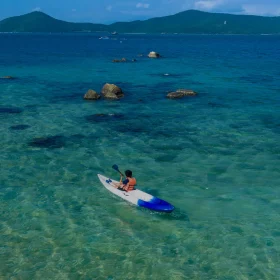
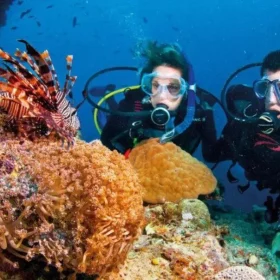
Whale Island Resort offers many other memorable marine experiences, including snorkeling over coral reefs, scuba diving, kayaking, and sunrise trekking to Hon Da Lon. Even without a whale shark encounter, the marine ecosystem of Van Phong Bay provides exceptional opportunities to explore and enjoy the natural beauty of Vietnam’s coastline.
Ngoc Van
3D2N SUMMER ON WHALE ISLAND
From 126 USD USD/Guest/Combo
3D2N AUTUMN CALLS FROM WHALE ISLAND – NATIONAL DAY 2/9
From 118 USD/Guest/Combo