


1. Our Commitment
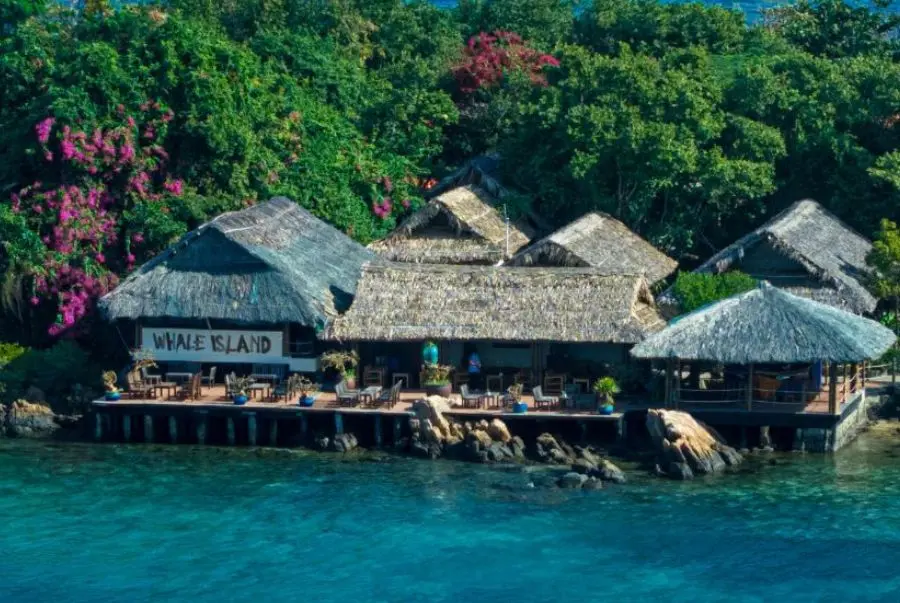
Whale Island Resort is located on Hon Ong (Whale Island), a pristine island in Vietnam. Since 1997, we have pursued a nature-based tourism model and are committed to preserving the ecosystem, cultural heritage, and local community on the island.
We believe that tourism should be a force for good. This policy reflects Whale Island Resort’s commitment to responsible management, environmental protection, human rights, biodiversity, and community well-being in line with Travelife standards.
2. Responsible Management & Operations
• We maintain a written sustainability policy, reviewed and updated annually, in line with Travelife criteria.
• We ensure transparency and openness with guests, staff, the local community, and stakeholders regarding sustainability performance.
• We provide training for all staff on sustainability topics (waste management, energy, water conservation, human rights, safety, etc.).
• We require our supply chain and partners (suppliers, contractors) to adhere to sustainability principles, especially regarding labor, human rights, waste, and biodiversity.
3. Commitment to Reducing Greenhouse Gas Emissions
We are committed to reducing greenhouse gas emissions by improving efficiency in energy and water use and waste management across all operations.
Whale Island Resort operates primarily on solar energy; however, diesel generators are still used during peak demand or when sunlight is insufficient.
We aim to reduce generator usage by lowering overall electricity demand through conservation measures and guest cooperation.
- Target 1: Reduce diesel generator usage by 30% by 2027 (compared to the 2025 baseline).
- Target 2: Achieve 80% of the resort’s total electricity from solar energy by 2030.
We monitor electricity consumption and aim to reduce fuel use and related emissions.
4. Biodiversity Protection & Support
We are committed to protecting and supporting biodiversity by preserving the island’s forest, marine ecosystems, coral reefs, and wildlife habitats.
- Support coral reef restoration projects, marine ecosystem protection, and habitat conservation.
- Design facilities to minimize environmental impact, prioritizing natural materials and reflecting unique cultural–ecological characteristics.
- Reuse treated wastewater for landscape irrigation to reduce freshwater extraction and protect soil, without polluting marine or freshwater ecosystems.
- Target 3: Support coral reef restoration by increasing live coral cover in the pilot area by 10% by 2028.
We apply a “leave no trace” policy for guest activities (snorkeling, trekking), prohibit collecting plants/coral, and guide guests to follow designated trails.
5. Fair Working Environment & Employee Well-being
- Comply with Vietnamese Labor Law regarding contracts, wages, working hours, leave, social insurance, and benefits.
- Maintain a safe and healthy working environment with regular training and protective equipment when necessary.
- Ensure equal opportunities in recruitment, promotion, training, and job assignment regardless of gender, ethnicity, religion, or background.
- Provide training and capacity-building programs (technical skills, sustainability, languages, customer service).
- Encourage work-life balance, welcome employee feedback, and foster a respectful and inclusive workplace.
6. Human Rights & Protection of Vulnerable Groups
- Adopt a zero-tolerance approach to discrimination, exploitation, harassment, or abuse.
- Commit to protecting women, children, ethnic minorities, and vulnerable groups, ensuring no forced labor, child labor, or human trafficking in resort operations.
- Child Protection: We have zero tolerance for all forms of child exploitation. Any suspected abuse will be reported immediately to the authorities. Guests, staff, and partners are encouraged to report concerns via the National Child Protection Hotline 111.
- Maintain clear reporting procedures, allowing staff, guests, or third parties to confidentially report concerns to management or authorities.
- Ensure fair treatment of staff and guests, with grievance mechanisms and anti-harassment policies.
7. Community & Cultural Responsibility
- The majority of resort staff are local residents, contributing directly to the local economy.
- Collaborate with artisans, fishermen, farmers, and local cultural communities to deliver authentic experiences and economic value.
- Design guest activities to share cultural heritage (Cham influences, fishing traditions, marine knowledge) respectfully and with community consent.
- Invest in community development projects (education, infrastructure, healthcare) and support local conservation initiatives.
- Preserve cultural identity through architecture, language, storytelling, and art within the resort.
8. Guest Communication & Education
- Provide guidance to guests on responsible travel behavior (saving water/energy, waste management, marine protection).
- Explain energy systems and encourage guests to reduce electricity use, limiting generator operation.
- Organize eco-tours, snorkeling, trekking, and educational programs on marine ecology, coral restoration, and local culture.
- Encourage guests to reuse towels, reduce single-use plastics, follow diving guidelines, protect coral reefs, and respect wildlife habitats.
- Invite guests to contribute to community or conservation funds/projects if they wish.
9. Monitoring, Evaluation & Reporting
- Target 4: Reuse 100% of treated wastewater for irrigation by 2027, reducing freshwater extraction by 25% (compared to 2024).
- Establish metrics and targets for energy, water, waste, biodiversity, and social factors.
- Collect monthly data (diesel kWh vs solar energy, freshwater consumption, reused water volume, staff training hours, coral health indicators).
- Publish an annual sustainability report outlining results, challenges, and plans.
- Conduct assessments according to Travelife or equivalent standards and welcome independent verification.
10. Transparency & Contact
This sustainability policy is publicly available on our website, guest materials, and at the resort reception.
Guests, staff, and stakeholders are encouraged to provide feedback, comments, or inquiries via:
📧 info@whaleislandresort.com | ☎ +84 (0) 935 466 245