5 Famous Vietnamese Seafood Soup You Can Easily Make At Home
| ReviewVietnamese cuisine offers many distinct versions of seafood Vietnamese soup. Each dish has its own broth, noodle type, and seasoning style. Knowing the differences helps you choose what to cook or order. Below are the most well-known seafood soups from across Vietnam.
Seafood Vermicelli Soup (Bún Hải Sản)
“Bún hải sản” is a popular seafood noodle soup found throughout Vietnam’s coastal regions. The broth combines clam stock, tomatoes, pineapple, tamarind, and aromatic herbs to create a light balance of sweet, sour, and savory flavors. Served with rice vermicelli and mixed seafood, this dish is both comforting and refreshing.
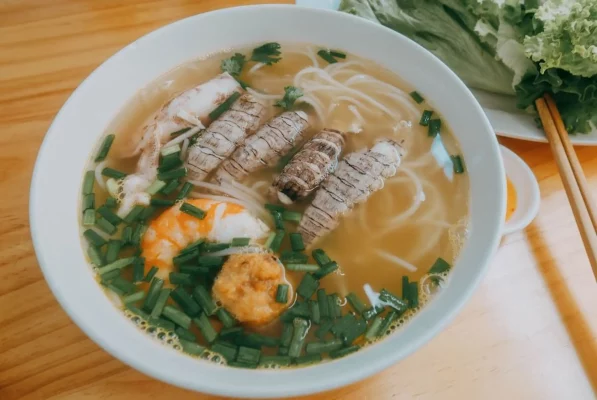
Ingredients (Serves 4)
Broth
- 500g fresh clams
- 1.5 liters water
- 2 stalks lemongrass, bruised and sliced
- 3–4 slices galangal
- 2 medium tomatoes, cut into wedges
- 1 cup pineapple chunks
- 2 tablespoons tamarind paste or dried sour fruit
- 2 shallots, finely chopped
- 2 tablespoons fish sauce
- 1 teaspoon sugar
- Salt to taste
Seafood
- 200g shrimp
- 150g squid, cleaned and sliced
- Clam meat from the broth
- 100g fish cake (chả cá)
Vegetables and Noodles
- 300g rice vermicelli
- 200g mustard greens
- 150g fried tofu
- Green onions
- Fresh dill
- Bean sprouts (optional)
Cooking Notes
- Fresh clams should be soaked before cooking to remove sand and impurities.
- Reserve the clam broth after boiling because it forms the foundation of the soup.
- Steam shrimp and squid only until just cooked to maintain tenderness.
- Fish cake adds texture and additional seafood flavor to the bowl.
- Cook vermicelli separately to keep the broth clear and balanced.
- Adjust the tamarind gradually until the broth reaches the desired sourness.
Vietnamese Seafood Hot Pot (Lẩu Hải Sản)
Vietnamese seafood hot pot (lẩu hải sản) is a popular communal meal enjoyed across Vietnam. A simmering pot of broth sits at the center of the table while diners cook seafood, vegetables, and noodles to their preferred texture. The broth is often balanced with sour, spicy, savory, and slightly sweet flavors, making it an ideal base for a wide variety of ingredients.
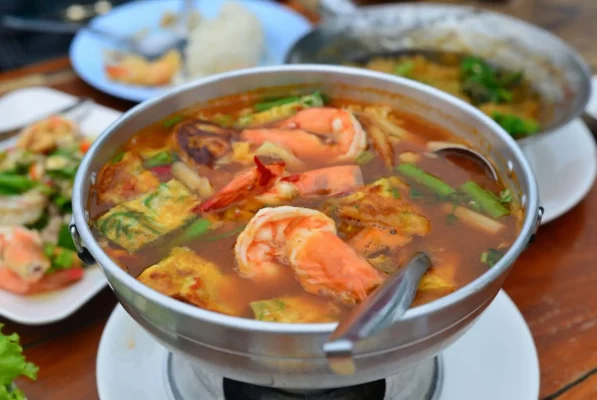
Ingredients (Serves 4–6)
| Category | Ingredients |
|---|---|
| Broth Base | Bone broth, lemongrass, galangal/ginger, kaffir lime leaves, shallots, tamarind paste, fish sauce, rock sugar, shrimp paste, chilies, salt |
| Seafood Plate | Shrimp, clams/mussels, squid, white fish fillet, fish balls/squid balls |
| Vegetable Plate | Napa cabbage, water spinach, enoki mushrooms, shiitake mushrooms, tofu, baby corn, zucchini |
| To Finish | Rice vermicelli or glass noodles |
Lime Chili Dipping Sauce
| Category | Ingredients / Steps |
|---|---|
| Lime Chili Dipping Sauce | Fresh chili, salt, sugar, kaffir lime leaves, lime juice, condensed milk |
| Method | Blend chili, salt, sugar, kaffir lime leaves, and lime juice until smooth. Add condensed milk, blend briefly until creamy, then serve in dipping bowls. |
Recipe
| Step | Summary |
|---|---|
| 1 | Prepare the aromatics: chop shallots, bruise lemongrass, slice galangal, cut tomatoes and pineapple. |
| 2 | Sauté shallots, lemongrass, and galangal in a large pot until fragrant. |
| 3 | Add tomatoes and pineapple, then cook until softened and lightly caramelized. |
| 4 | Pour in bone broth and bring to a gentle boil. |
| 5 | Add kaffir lime leaves, tamarind paste, fish sauce, rock sugar, shrimp paste, and chili/satay sauce. |
| 6 | Simmer for 15–20 minutes, then adjust sourness, sweetness, saltiness, and heat. |
| 7 | Transfer broth to a tabletop hot pot and keep at a gentle simmer. |
| 8 | Arrange seafood, vegetables, tofu, and noodles on separate platters. |
| 9 | Cook ingredients gradually in the hot pot and finish with vermicelli or glass noodles. |
Cooking Notes
Seafood Pho (Phở Hải Sản)
Phở hải sản uses the same flat rice noodles as traditional beef pho. However, the broth is lighter and the protein comes entirely from seafood. The spice blend still includes star anise, cinnamon, and charred ginger. This gives the soup its warm, aromatic character.
It is a creative take on seafood Vietnamese soup that works well year-round. The dish is more common in the south and in coastal cities. It is less traditional than beef pho but has built a dedicated following.
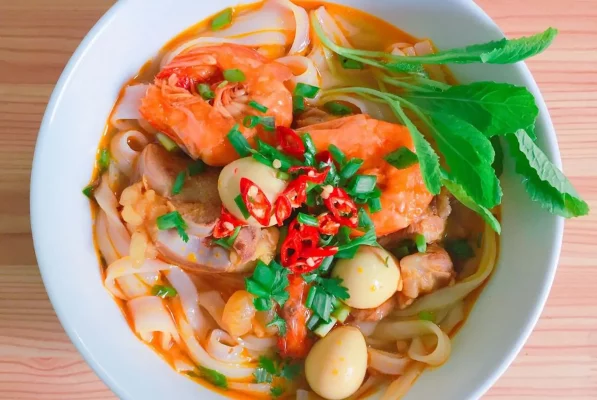
Ingredients (Serves 4)
| Category | Ingredients & Quantity |
|---|---|
| Seafood | 300g tiger shrimp, 200g squid, 200g clam meat or scallops |
| Broth | 1kg pork bones, 30g dried peanut worms or 50g dried squid, 3 liters water, 1 ginger root, 2 shallots, 1 cinnamon stick, 2 star anise pods, 1 black cardamom pod, 1 tsp coriander seeds |
| Noodles & Garnishes | 500g fresh pho noodles, dough sticks, green onions, sawtooth herb, lime wedges, fresh chili |
| Seasonings | Fish sauce, salt, seasoning powder, ground pepper |
Recipe
- Clean shrimp, squid, and clam meat; marinate with minced ginger and rice wine for 10 minutes.
- Blanch pork bones for 5 minutes, then rinse well to remove impurities.
- Char ginger, shallots, cinnamon, star anise, and cardamom until fragrant.
- Place spices and coriander seeds in a spice bag.
- Simmer pork bones with 3 liters of water; skim regularly for the first 30 minutes.
- Add dried peanut worms or dried squid and the spice bag; simmer gently for 1.5–2 hours.
- Season with fish sauce, salt, and seasoning powder, then strain for a clear broth.
- Cook shrimp, squid, and clam meat separately until just done.
- Blanch pho noodles for 20–30 seconds and divide into bowls.
- Top with seafood, green onions, and sawtooth herb.
- Ladle hot broth over the noodles and serve with bean sprouts, lime, and fresh chili.
Cooking Notes
-
Dried peanut worms are commonly used to create the naturally sweet broth found in many coastal seafood pho recipes.
-
If peanut worms are unavailable, dried squid is a suitable alternative.
-
Skimming the broth regularly helps maintain clarity and a cleaner flavor.
-
Cook seafood separately from the broth to prevent overcooking.
-
Serve the pho immediately after assembling to preserve the texture of the noodles and seafood.
Sweet and Sour Fish Soup (Canh Chua Cá)
Canh chua cá comes from the Mekong Delta region of southern Vietnam. It is one of the most recognized dishes in southern Vietnamese home cooking. The broth is built on a balance of sour from tamarind and sweet from pineapple. Fresh herbs and crunchy vegetables make each spoonful varied and satisfying.
This soup works as a side dish served alongside steamed rice. It can also stand alone as a light, warming bowl. The fish used varies by season and location. Catfish, snakehead fish, and red tilapia are the most common choices.
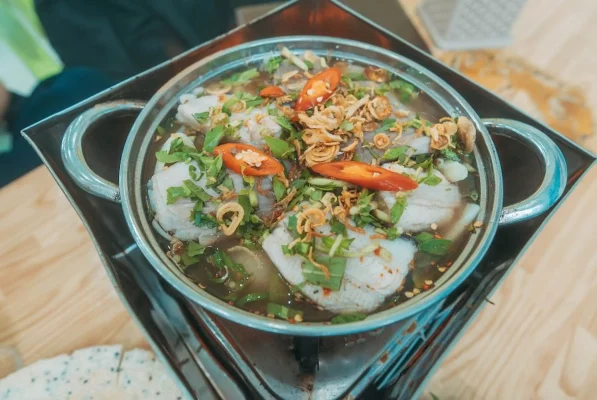
Ingredients (Serves 4)
| Category | Ingredients |
|---|---|
| Main Ingredient | 500g fresh fish: snakehead fish, tilapia, carp, or catfish |
| Soup Base | 3 tomatoes, tamarind pulp or fresh tamarind, pineapple chunks |
| Vegetables | Bean sprouts, elephant ear stem, okra |
| Herbs & Aromatics | Green onions, rice paddy herb, sawtooth herb, garlic, shallots |
| Seasonings | Fish sauce, sugar, salt, cooking oil |
Recipe
- Clean the fish thoroughly with salt and ginger, then cut into serving pieces.
- Marinate the fish with fish sauce, seasoning powder, and minced garlic for about 10 minutes.
- Soak tamarind in warm water and strain to obtain the tamarind juice.
- Sauté shallots and garlic until fragrant. Add half of the tomatoes and cook until softened.
- Add pineapple and continue cooking for several minutes.
- Pour in 1–1.2 liters of water together with the tamarind juice and bring to a boil.
- Add the fish and season with fish sauce, sugar, and salt.
- Reduce the heat and skim off any foam from the surface.
- Add the remaining tomatoes, okra, and elephant ear stem.
- Stir in bean sprouts and fresh herbs shortly before turning off the heat.
- Serve immediately while hot.
Cooking Notes
-
Fresh fish should be cleaned with salt and ginger to reduce any fishy aroma.
-
Adding fish only after the broth boils helps maintain a cleaner flavor.
-
Tamarind should provide a gentle sourness rather than dominate the soup.
-
Rice paddy herb and sawtooth herb are key ingredients for authentic flavor.
-
Avoid overcooking vegetables to preserve texture and color.
Thick Tapioca Noodle Soup With Seafood (Bánh Canh Hải Sản)
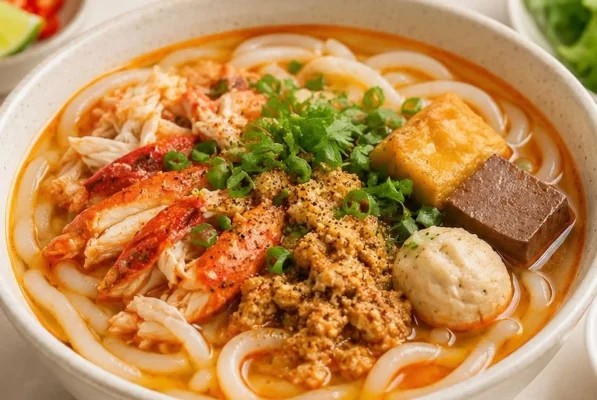
Bánh canh is a Vietnamese noodle soup made with thick, chewy noodles. The noodles are made from tapioca starch or a blend of tapioca and rice flour. They have a distinctive slippery texture that sets them apart from rice vermicelli or pho noodles.
The seafood version pairs this noodle with shrimp, crab, and fish cake in a rich, slightly thick broth. The dish is widely eaten across Vietnam but is especially popular in central and southern regions. It is a common street food and a frequent choice for breakfast or lunch.
Ingredients (Serves 4)
| Category | Ingredients |
|---|---|
| Main Ingredients | 400g tapioca noodle, 200g shrimp, 200g crab meat or crab pieces, 150g fish cake |
| Broth | 1 liter seafood stock |
| Herbs & Aromatics | Shallots, garlic, green onions, cilantro, fried shallots |
| Seasonings | Fish sauce, salt, sugar, white pepper |
Recipe
- Peel and clean the shrimp. Wash the crab and cut it into manageable pieces if using whole crab.
- Sauté minced shallots and garlic until fragrant.
- Add seafood stock and bring it to a gentle simmer.
- Season the broth with fish sauce, salt, sugar, and white pepper.
- Cook the crab first until fully done.
- Add the shrimp and fish cake, then cook for several more minutes.
- Prepare the bánh canh noodles according to package instructions.
- Divide the noodles into serving bowls.
- Arrange the seafood over the noodles and ladle the hot broth on top.
- Garnish with green onions, cilantro, and fried shallots before serving.
Cooking Notes
-
Seafood stock creates a richer flavor than plain water.
-
Fresh crab provides natural sweetness to the broth.
-
Do not overcook the noodles because they absorb liquid quickly.
-
Add fried shallots immediately before serving for extra aroma.
-
White pepper complements seafood without overpowering its flavor.
Top restaurant enjoy seafood soup in Vietnam
Visitors can find these seafood Vietnamese soup in many coastal cities and major destinations across Vietnam. Here our recommendations.
Hanoi
- Recommended Restaurants: Thế Giới Hải Sản, Hải Sản Phố
- Price Range: 80,000–150,000 VND per bowl; 400,000–900,000 VND per hot pot
Da Nang
- Recommended Restaurants: Bé Mặn Seafood, Mỹ Hạnh Seafood
- Price Range: 70,000–140,000 VND per bowl; 350,000–800,000 VND per hot pot
Nha Trang
- Recommended Restaurants: Bún Hải Sản Mộc, Bờ Kè Seafood
- Price Range: 60,000–150,000 VND per bowl; 400,000–1,000,000 VND per hot pot
Conclusion
Each destination offers its own take on Vietnamese seafood noodle soup recipe traditions and vietnamese seafood hot pot experiences.
Whether you are looking for a traditional Vietnamese seafood soup recipe, a comforting Vietnamese seafood noodle soup recipe, or a flavorful Vietnamese seafood hot pot, these dishes offer an authentic taste of Vietnam’s culinary heritage.
If you visit Nha Trang, exploring local seafood specialties on Whale Island is a memorable way to experience the unique flavors and coastal traditions of Vietnam.

3D2N SUMMER ON WHALE ISLAND
From 126 USD USD/Guest/Combo
3D2N AUTUMN CALLS FROM WHALE ISLAND – NATIONAL DAY 2/9
From 118 USD/Guest/Combo